A launch is a campaign that happens to last one evening. The set is built, the guest list is curated, the product is lit — and by midnight all of it is gone except the photographs. Which means the shot list matters more here than at any other kind of event.
Shot list first, evening second
Agencies and brand teams normally arrive with a deliverables list rather than a mood: hero product frames, three set-design angles, press wall portraits, guests interacting with the installation, and a set of vertical crops for Stories. That list becomes the plan for the evening, sequenced against the run-of-show so nothing depends on being in two rooms at once.
- Hero product — the product as the set designer intended it, shot before guests arrive, with the light still under control.
- Set and installation — wide, mid and detail; the build photographed properly for the agency’s own case study.
- Press wall and portraits — a fixed, correctly lit position for talent, founders and invited press.
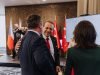
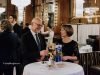
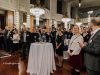
- Guests with the product — the frames that make the launch look attended rather than staged.
- Activation moments — demos, tastings, sampling, whatever the concept actually asks people to do.
- Vertical and square crops — shot with the crop in mind, not cut down afterwards from a wide frame.
The half hour before doors is the most valuable of the night. Product, set and empty room can only be photographed then. Every launch that skips it ends up with a gallery full of people and nothing that shows what was built.
Working with agencies and brand teams
Launch work usually means several parties in the room: the client, the agency, a PR team and sometimes the venue’s own marketing. What keeps that simple is agreeing three things in writing beforehand — who approves the shot list, who receives the files, and what usage each party has. Colour and treatment can be matched to an existing brand guide if you supply one; if there is a campaign look, it is easier to shoot towards it than to grade into it afterwards.
Press images on the night
If press attended, they will file the next morning. A captioned selection of ten to twenty frames delivered within a couple of hours of the event — or before the end of it — means your images run instead of a phone photograph from the third row. This is planned in advance, because it means editing on site rather than at home.
Berlin venues for launches
Berlin’s launch spaces are chosen for character, and character is rarely well lit. Raw industrial rooms, gallery spaces with white walls and hard spots, showrooms with mixed LED, pop-up shops with shop lighting, rooftops with twenty good minutes at sunset. In each case the technical plan is made during a walk-through, and the one non-negotiable is that the product is photographed in controlled light before the room fills.
Deliverables
| Press set | 10–20 captioned, edited frames on the evening, on request |
|---|---|
| Full gallery | Edited high-resolution images within 2–4 working days, grouped by product, set, guests and press wall |
| Crops | Vertical 9:16, square and 16:9 versions of the key frames for paid and organic social |
| Retouching | Additional retouching on hero product frames where they will be used in campaign placements |
| Usage | Brand, agency and press usage defined in the quote before the event |
Booking
Launches are quoted per event as a fixed price, based on coverage hours, whether the pre-event product and set block is included, whether a same-night press delivery is needed, and what usage the brand and agency require. Send the concept deck or the run-of-show and you get availability and a price within 24 hours.
Launching something in Berlin?
Send the date, the venue and the shot list — or just the concept. A fixed, all-in quote comes back within 24 hours.
WhatsApp +420 705 906 298info@kemalonurozman.comEnquiry form